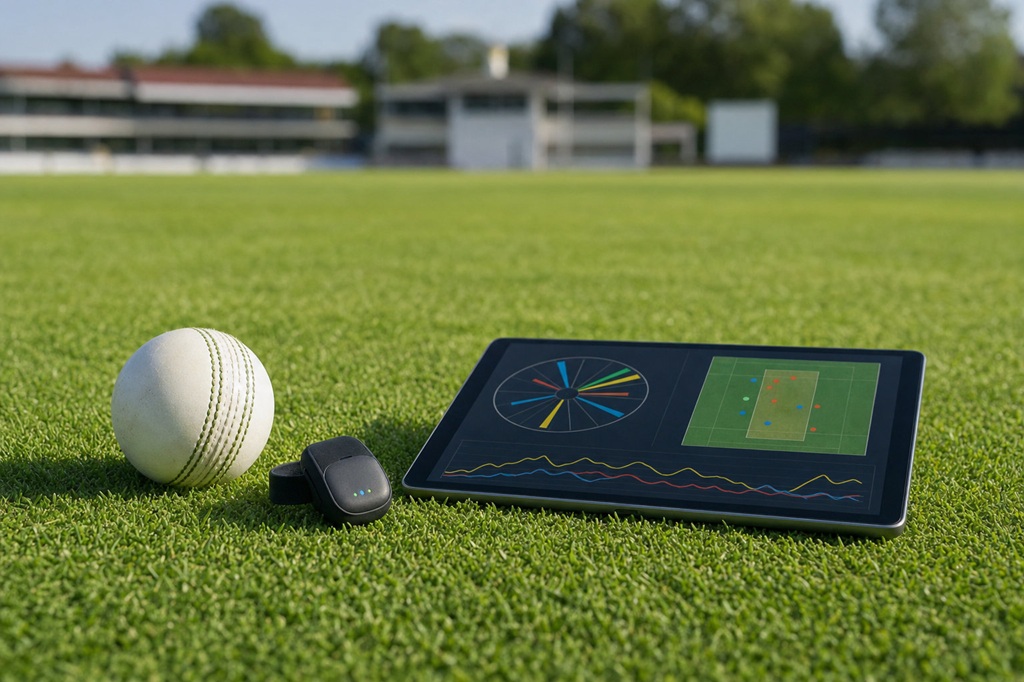
Women’s cricket is experiencing a surge in technological advancement, bringing precision and depth to performance analysis. Enhanced data streams and digital tools are reshaping how players and coaches plan, prepare, and execute strategies. These innovations are driving measurable changes in preparation, match management, and long-term player development.
Technology is changing the expectations and outcomes within women’s cricket by providing richer, faster, and more actionable performance data to teams and analysts. With wider broadcast coverage and expanded leagues, the volume and detail of available information have increased, allowing for new levels of tactical insight and player comparison. Digital tools, including Ipl apps, sit at the intersection of this evolution by providing users and experts with access to real-time metrics, video breakdowns, and robust datasets. As technology’s role expands, the need for precise measurement and responsible interpretation grows even more important for everyone involved in the sport.
Broadcast growth and richer data elevate standards
The rise of televised matches and streaming platforms in women’s cricket has accelerated the collection of match data. Improved camera placement and integration of tracking technologies mean that key moments are captured, recorded, and logged for later analysis.
These enhancements enable teams to unpick match situations, replay key passages, and spot developing trends in near real time. Coaches can access large libraries of video clips and pull up comparative footage for both opponents and their own squads, deepening strategic discussions before a match and refining plans during tournaments.
Core data sources and their uses in strategy
Video tagging is now widely used for reviewing both batters and bowlers. Analysts segment overs, deliveries, and important actions, creating clip libraries that allow players to visualize their strengths and identify weaknesses alongside coaches.
Ball-by-ball datasets provide granular detail, enabling teams to spot trends across formats, whether T20 or longer competitions. Wearables and athlete tracking technologies can add training-load figures, helping monitor fatigue while also informing rest decisions for players operating on packed schedules. Teams may also combine sources of data to form strategies aligned with current tournament conditions.
Analysis-driven plans change match outcomes directly
Coaches are increasingly using data insights to inform bowling plans, building tactics around batter scoring patterns and identifying ideal lines of attack. Field placements benefit from shot-frequency data, raising the probability of pressuring high-risk areas and targeting preferred scoring zones.
For phases of limited-overs games, match-up breakdowns can inform tactical shifts, including during powerplays or end overs. Teams also benchmark performances against venue-specific patterns, refining approaches in unfamiliar environments and adapting to tournament trends. These practices show how analysis is becoming foundational for competitive preparation.
Player development, limitations, and the next frontier
Technology can aid player development by tracking emerging skills and closing technical gaps through feedback that is consistent and objective. Remote analysis systems can also help teams outside major cricketing centers access high-quality breakdowns and stay connected to established practices.
Challenges remain as technology spreads. Short formats and busy calendar periods can lead to small sample sizes, making it hard to draw robust conclusions from data alone. Differences in pitch conditions, role clarity, and match state can affect readings, and privacy concerns have been raised with the increased use of biometric tracking. Looking ahead, integrating standardized datasets and aligning sports science with tactical analysis may further support selection decisions and role definition within squads.
